
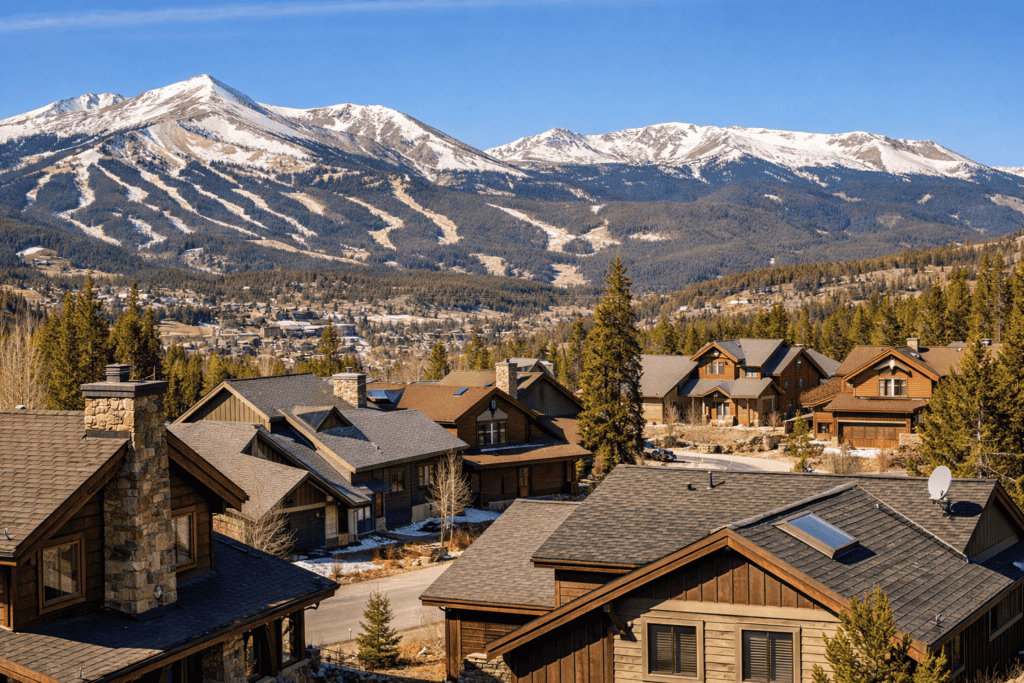
This winter has felt unusual across the High Rockies. Long stretches of sun, warmer temperatures, and far less snowfall than typical have changed how homes and roofs are behaving across mountain communities like Breckenridge, Vail, and Steamboat.
While it may feel like a break from heavy snow and ice, a warm and dry winter can actually expose roofing problems earlier than usual. In many cases, this kind of season is exactly when small issues start to show up.
Why Warm Winters Reveal Roofing Problems
Snow normally hides a roof for months. When roofs stay exposed for long periods, the sun and temperature swings can start to reveal weak points.
Here are a few things we are seeing across the mountains this season.
Freeze thaw movement
Even without heavy snow, mountain temperatures still swing above and below freezing. When small amounts of moisture get into flashing, seams, or under shingles, the repeated freeze and thaw cycle can slowly widen gaps.
UV exposure at altitude
Sun exposure in the Rockies is intense, especially during dry winters with clear skies. Prolonged UV exposure can accelerate aging in shingles and roofing materials that were already starting to wear.
Hidden winter damage becoming visible
Homes that had minor storm damage from last year may only now be noticing issues such as loose shingles, lifted flashing, or granule loss. Normally snow would hide these until spring melt.
Why We Are Seeing More Early Leads This Season
When roofs stay visible all winter, homeowners naturally start noticing things sooner.
Common calls we are getting right now include
• Small leaks during warm afternoon melt
• Loose shingles after winter wind events
• Flashing pulling away around chimneys and skylights
• Granule buildup in gutters
None of these automatically mean a full roof replacement is needed. In many cases a small repair now prevents a major problem next winter.
Early Season Roof Inspections Are Smart This Year
Because snowpack has been light, this is one of the best windows in years to inspect a mountain roof before spring storms arrive.
A quick professional inspection can identify
• early material wear
• flashing issues around penetrations
• wind damage from winter storms
• drainage problems that could worsen during spring melt
Catching these issues now can extend the life of your roof and avoid emergency repairs when heavy snow eventually returns.
What to Watch for at Your Home
If you live in the High Rockies, take a quick look around your home for a few warning signs.
• shingles that look curled or lifted
• metal flashing that appears loose
• dark streaks or exposed underlayment
• debris building up in valleys or gutters
If anything looks off, it is worth having a professional take a look before spring storms start cycling through the mountains.
A Quiet Winter Is the Best Time to Act
Many homeowners wait until leaks appear or snow damage becomes obvious. But seasons like this one give us a rare advantage. Roofs are visible, access is easier, and small repairs can be handled before weather becomes unpredictable again.
If your roof has been through several mountain winters already, this warm season is the perfect opportunity to make sure everything is ready for the next one.